StoryReel: Drama Shorts & TV
- 4.4
- Rating
- 10.00M
- Installs
- Free
- Price

 Analysis by App-foxy
I spent time with StoryReel: Exclusive Drama as an entertainment app, paying particular attention to how comfortably it works for different people and everyday situations. Its main idea is easy to understand: browse a large collection of short dramas, choose a story, and watch in compact episodes rather than committing to a full-length film or a long television season. That format makes it appealing when I want a quick emotional break, although it also creates a few usability and value questions that are worth considering before installing it.
The app is free to download, with optional purchases ranging from $0.99 to $149.99 per item. It is developed by Equinox Enterprises Technology Limited and is intended for a Teen audience. The current release is version 2.22.0, and it runs on Android 7.0 or later. Its average score is 4.4 from around 33 thousand ratings, while its reach has passed 500 thousand installs. Those figures suggest that it has found a substantial audience, but they do not replace the more important question: whether its short-drama design fits the way you actually watch.
How the reading and navigation experience feels
My first impression is that the concept is much easier to grasp than the library itself. The app presents itself as a place for short dramatic stories, so I do not have to learn a complicated media system before starting. That simplicity is helpful for people who prefer a direct path from opening an app to choosing something to watch. It also suits viewers who dislike the crowded menus found in broader streaming services, where films, live channels, documentaries and children’s content compete for attention.
You May Also Like

 Blood Strike: 2.5 Anniversary
Blood Strike’s Loadouts Turn Every Drop Into a Tactical Gamble
A close look at Blood Strike’s custom loadouts: how fast access to signature weapons reshapes its battle royale rhythm, rewards preparation, and narrows the gap between fights.

 Pandora - Music & Podcasts
Pandora’s Music Is Easy to Start, but Harder to Recover
Pandora’s strength is its low-effort path from a seed to a station. Its weak spot is how much confidence it asks you to place in connection, setup, and quiet recovery.

 8 Ball Pool
 Is Built on Rivalries, Rematches, and Routine
A close look at the rivalries, rematches, shared routines, and unanswered safety questions that turn a quick pool match into a persistent mobile community.

 Samsung Music
’s Quiet Strength Is Playing What You Already Own
Its reach comes less from spectacle than from dependable access to a personal library. That simplicity is both the app’s strongest retention engine and its ceiling.

 AccuWeather: Weather Radar
AccuWeather Review: A Quick, Clear Forecast for Everyday Decisions
For everyday plans, the best forecast is the one you can understand quickly. AccuWeather makes rain timing, radar, and local conditions easy to act on, with a few trade-offs.

 Hill Climb Racing
Why Hill Climb Racing Still Turns Crashes Into One More Run
A tiny car, a bumpy hill and one more upgrade: Hill Climb Racing keeps resurfacing because its simple chaos makes every near-miss feel personal.
More From Our News Desk



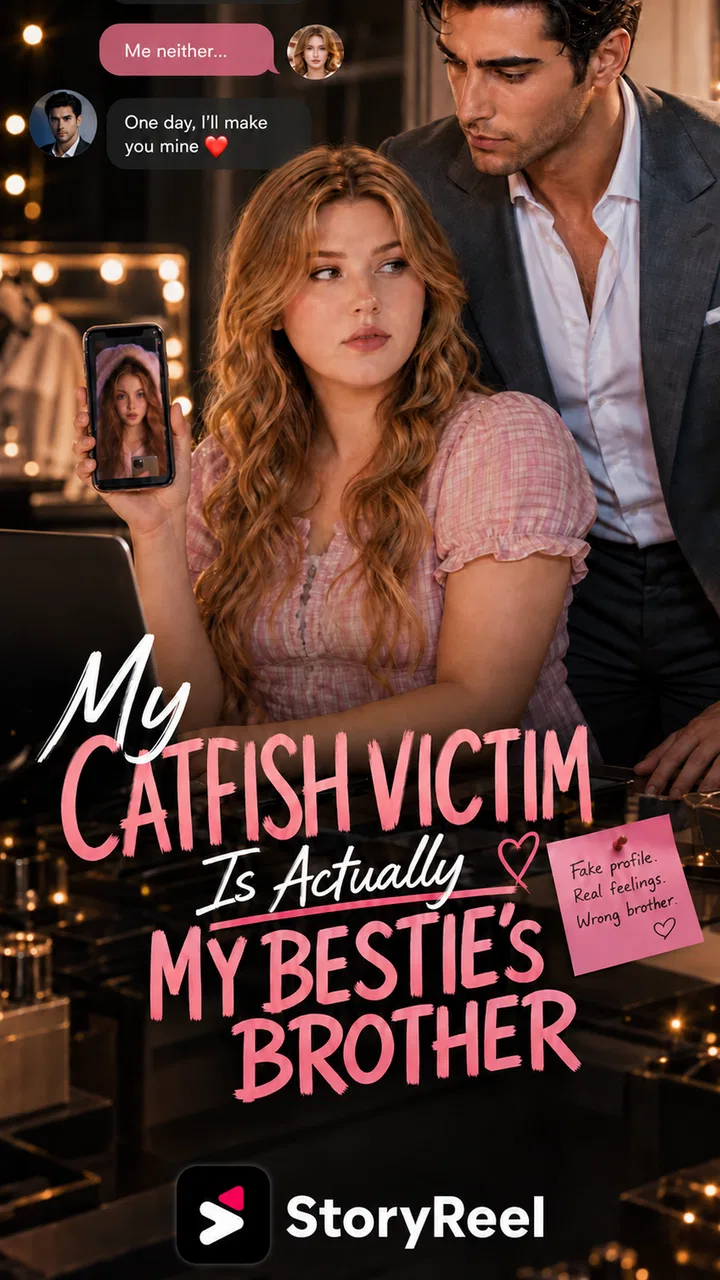
At the same time, a large short-drama collection can become visually demanding. Story choices are often made from brief labels and promotional images, so the quality of the browsing experience depends heavily on how clearly each title communicates its mood and premise. I found it useful to slow down rather than tapping the first attractive thumbnail. A few seconds spent reading the title and description can prevent the familiar problem of starting several stories that all feel similar.
For readers who need larger text or stronger visual separation, the practical issue is not only the words themselves. It is also the amount of information competing on the screen at once. A dense discovery page can make titles, episode details and selection controls harder to distinguish, especially on a smaller phone. I would recommend using the device’s own display-size and text-size settings before judging the app. Those adjustments can improve general phone readability, although they may not change every element inside the application equally.
The short-episode structure has an accessibility advantage that is easy to overlook. I can stop after a small portion of a story without losing an entire evening, which makes the app less demanding than a conventional movie service. This is particularly useful for someone who gets tired while reading a screen, has limited concentration, or simply wants entertainment in brief intervals. The trade-off is that frequent episode transitions can require more repeated attention than watching one continuous program.
The strongest design choice is the small commitment required to begin. I can test a drama during a break and decide later whether it deserves more time. That is more approachable than selecting a two-hour film based on a poster and hoping it matches my mood. However, viewers who need highly predictable navigation may find rapid browsing less comfortable if many recommendations look alike or if the next choice is not immediately obvious.
Making browsing less tiring
I found a simple routine more effective than endless scrolling. I first decide whether I want romance, suspense, family conflict or another dramatic mood, then I open only a small number of promising stories. This reduces visual overload and makes it easier to remember what I have already tried. It also helps users with attention-related difficulties because the goal becomes choosing one story, not processing the entire catalogue.
Another useful habit is to watch the opening portion with the phone held at a stable distance before deciding whether the presentation is comfortable. A title that looks clear in a thumbnail may contain fast scene changes, small on-screen text or visually busy backgrounds. Checking this early is more practical than assuming every short drama will be equally easy to follow.
Motor, visual and sensory considerations
Short-form viewing can work well for people who cannot comfortably hold a phone for long periods. Instead of planning a lengthy session, I can watch a brief segment, put the device down and return later. That flexibility is valuable for viewers with hand fatigue, limited stamina or a need to change position often. A stand or adjustable phone holder makes the experience noticeably easier because it reduces the need to grip the device continuously.
For users with motor limitations, the main concern is the number of small actions involved in choosing and continuing a story. Browsing, selecting an episode and returning to the library may be simple for many people, but repeated tapping can become tiring when hand control is limited. I would use the phone’s built-in interaction tools, such as switch access, voice control or other assistive controls where available on the device. Those tools belong to the operating system rather than the app, so their usefulness can vary by phone and setup.
The video format also deserves a sensory check. Dramatic storytelling commonly relies on contrast, movement, music and emotionally intense scenes. That can be engaging, but viewers sensitive to rapid visual changes or loud audio may prefer lower volume, headphones with their own volume controls, or a quieter environment. I would not start a new story in a crowded place if I already knew that sudden sound or busy imagery could be uncomfortable.
Audio is especially important for people who cannot rely fully on the screen. In my experience, short dramas are much easier to follow when dialogue is clear and the surrounding environment is quiet. If the phone speaker is not enough, headphones can help, but they are not ideal for everyone. Someone who needs to remain aware of traffic, family members or workplace announcements may prefer speaker playback at a moderate level, which can make dialogue harder to catch in noisy surroundings.
People with hearing loss should think about how much meaning is carried by spoken dialogue compared with visible action. I would check an episode’s opening carefully for readable dialogue presentation and avoid assuming that every scene can be understood visually. The app’s appeal is strongly tied to drama, so missing a key line can change the entire story. If captions are essential to your viewing, confirm that the particular content you want to watch provides the level of text support you need before making an in-app purchase.
For people with low vision, the phone’s brightness and magnification tools may be more useful than simply moving closer to the screen. Increasing brightness can improve visibility, but it may also create glare, especially in a dark room. I prefer a moderate setting and a stable viewing angle. A larger tablet could make text and faces easier to see, although the app is designed around mobile viewing and the comfort of a larger screen will depend on the device.
When the format helps and when it gets in the way
The app is a good match for a person who wants emotional storytelling in manageable pieces. A commuter can watch while waiting, a parent can fit an episode into a quiet pause, and someone recovering from a tiring day can enjoy a story without following a long film. These are not just convenience benefits; shorter sessions can make entertainment feel more attainable for people whose energy varies throughout the day.
There is a less obvious downside for viewers who need uninterrupted concentration. Because short dramas often end on a strong turning point, the format can encourage repeated continuation. That may be fun, but it can also make it harder to stop, especially for someone who uses entertainment to manage stress or sleep. I recommend setting a personal stopping point before opening the app, such as one episode or a fixed amount of time, rather than relying on the next-story prompt to decide for you.
A realistic example is an evening when I have ten minutes before preparing dinner. A conventional streaming service may make me spend half that time searching, while StoryReel lets me begin a compact drama quickly. If I am already mentally tired, though, multiple dramatic cliffhangers can leave me more stimulated than relaxed. In that situation, a calmer video service, podcast or familiar program may be a better choice.
Situational access and practical use
This app makes the most sense on a personal phone, where I can control the viewing distance, sound level and timing. It is less suitable when I need a shared-screen experience with several people. Short dramas are usually selected for individual taste, and the small-screen presentation encourages private viewing rather than a living-room activity. Someone looking for family entertainment or a broad catalogue of conventional films may be better served by a mainstream streaming platform.
It can also be useful for people who have irregular schedules. I do not need to reserve a long block of time, and the short format allows me to pause my entertainment around appointments, care responsibilities or work. That said, a person with limited or expensive mobile data should be cautious about video consumption. I would use Wi-Fi when possible and monitor the phone’s data settings, because repeated high-definition streaming can become inconvenient even when the app itself costs nothing to install.
The free entry point lowers the barrier to trying it, but the purchase model deserves attention. Optional items can cost from $0.99 up to $149.99 each, which is a very wide range. I would not treat the free download as a promise that every desired story or continuation will remain free. Before confirming a purchase, I would check exactly what it unlocks and whether it is a one-time decision for that item. This is especially important for younger users or anyone who prefers strict spending limits.
Because the content rating is Teen, parents should make their own judgement rather than assuming that every drama will suit every teenager. Dramatic themes can involve conflict, romance or emotionally difficult situations even when the audience is not adult-only. If a child shares the device, I would review the phone’s purchase controls and discuss spending expectations before allowing independent browsing.
The app’s minimum operating-system requirement is Android 7.0, which makes it accessible to people using older Android phones than many newer entertainment apps support. Still, an older device may have a smaller display, weaker speakers or less comfortable performance with video. In practical terms, compatibility is not the same as comfort. I would test a short session on an older phone before deciding whether it is suitable for daily use.
How it compares with familiar alternatives
Compared with a general streaming service, StoryReel is more focused and quicker to sample. Its strength is not breadth across every kind of media; it is the concentrated experience of short dramatic stories. That makes it a better choice when I want a fast narrative hook and a sequence of compact episodes. A general service is usually preferable when I want films, documentaries, children’s programming or a polished large-screen experience.
Compared with social-video platforms, the app offers a more intentional drama-first environment. Social feeds are excellent for spontaneous discovery, but they can pull attention in many directions. Here, I am opening the app with a clearer expectation of watching a story. The trade-off is that social platforms may provide more varied short content and more familiar sharing features, while this app is narrower by design.
Compared with free television or ad-supported video platforms, the decision depends on tolerance for interruptions and spending. StoryReel’s compact dramas may feel more engaging than random clips, but optional purchases can make a long viewing habit more expensive than it first appears. I would choose it for specific stories and short sessions, not as an automatic replacement for every other entertainment service.
Remaining barriers I would consider before installing
The biggest barrier is the gap between easy entry and potentially complicated commitment. Opening a free entertainment app feels harmless, but a library built around continuing stories can make it tempting to keep unlocking more. I would set purchase restrictions immediately, particularly on a shared device. This is not a criticism of the drama format itself; it is a reminder that convenience and impulse can work together.
Another barrier is the possibility that visual clarity will vary from one story to another. A viewer who needs consistent text size, strong contrast or carefully paced scenes may have to evaluate each title rather than assuming the entire catalogue offers the same experience. That extra checking takes time and can make the app less suitable for someone who wants predictable accessibility from the moment it opens.
People who are sensitive to sound, motion or emotional intensity may also need a more deliberate routine. I would keep volume controls close, avoid watching in a dark room if bright scenes are uncomfortable, and stop when the content becomes tiring rather than treating the next episode as an obligation. These small adjustments make the app more manageable, but they are still adjustments the user must actively make.
The app is not my first recommendation for someone who wants detailed accessibility controls, a quiet educational experience or content chosen for a group. It is also not ideal for viewers who dislike cliffhangers, prefer completed long-form stories, or want to avoid any possibility of spending inside an entertainment application. In those cases, a conventional video library with clearer subscription boundaries or a non-video audio service may fit better.
Finally, the Teen rating means I would not hand it to a younger child without supervision. The short episodes may look harmless because they are brief, but length does not determine whether a theme is suitable. Parents should consider the individual child, use device-level controls and remain aware that the app is built for ongoing browsing rather than a single carefully selected program.
My inclusive verdict
I recommend StoryReel to people who enjoy dramatic storytelling but have limited time, changing energy or little patience for searching through a huge general-purpose catalogue. Its short-episode approach is genuinely useful: I can begin quickly, stop without sacrificing a whole evening and return when I have another small window. That makes it more accommodating to irregular routines than many traditional streaming options.
Its support for different abilities is more practical than formal. The compact format can reduce fatigue, device-level text and interaction settings may improve access, and a phone stand or headphones can solve some physical and sensory problems. But I would not describe the experience as universally effortless. Small-screen browsing, variable visual presentation, audio dependence and purchase decisions can still create friction.
My best advice is to treat the free installation as a trial, not a commitment. Start with a short viewing session, adjust the phone for your eyes and ears, check how comfortably you can navigate between episodes, and establish spending limits before exploring deeply. If those basics work for you, the app can become a convenient source of quick drama. If you need guaranteed captions, highly consistent visual presentation or a broad family catalogue, I would choose a service built around those priorities instead.
Overall, I see it as a focused entertainment option rather than a complete replacement for ordinary streaming. The experience is strongest when I want one compact story during a spare moment and weakest when I need calm, predictable access with minimal visual or financial surprises. For the right viewer, that focus is exactly the appeal; for everyone else, the usual alternatives may offer a more comfortable fit.
FAQs for StoryReel: Drama Shorts & TV
01What is StoryReel: Exclusive Drama about?
StoryReel: Exclusive Drama is an engaging app that offers a wide collection of original drama series. Each series is designed to captivate audiences with compelling storytelling and high-quality production. Users can explore various genres, from romance to thriller, ensuring there's something for every drama enthusiast.
02Is StoryReel: Exclusive Drama free to use?
StoryReel offers a freemium model, allowing users to access a limited selection of content for free. However, a subscription is required to unlock the full library of exclusive dramas and additional features such as ad-free viewing and early access to new episodes. Subscription details are available within the app.
03What devices are compatible with StoryReel?
StoryReel: Exclusive Drama is available for both Android and iOS devices. It supports a wide range of smartphones and tablets, ensuring users can enjoy drama series on their preferred device. It is recommended to check the app's specifications in the respective app store to ensure compatibility.
04Can I download episodes to watch offline?
Yes, StoryReel allows users to download episodes for offline viewing. This feature is particularly useful for those who want to watch dramas without an internet connection, such as during travel. However, offline viewing may be limited to certain subscription plans, so check the app for more details.
05How frequently is new content added to StoryReel?
StoryReel regularly updates its library with new dramas and episodes. Content is typically added on a weekly basis, keeping the platform fresh and engaging. Subscribers often receive early access to new releases, ensuring they never miss out on the latest series and episodes.
Pros
- Engaging storylines with unexpected twists.
- High-quality graphics enhance immersion.
- User-friendly interface for easy navigation.
- Regular updates with new content.
- Interactive choices impact story outcomes.
Cons
- Requires constant internet connection.
- In-app purchases can be expensive.
- Limited offline play options.
- Occasional app crashes reported.
- Some stories are paywalled.

StoryReel: Drama Shorts & TV
Gallery